


Organic Compounds
Guangzhou Zhifan Chemical Co., Ltd. is a professional supplier of basic chemical raw materials. Our company was established in 2009 and is located in Guangdong Province, China, providing online and offline wholesale and retail business of chemical materials. Our main products include sodium hydroxide, sodium sulfide, polyaluminum chloride, etc., which are suitable for applications in sewage treatment plants, chemical plants, electronics, printing and dyeing plants, etc.
Rich Product Range
Our products are rich in variety, including sodium hydroxide, sodium sulfide, PAC, PAM, compound alkali, sodium hydrosulfide, industrial salt, defoaming agent, etc.
High Productivity
Our company has more than 5,000 square meters of dedicated chemical warehouses, as well as automated production, quality control laboratories, warehousing and distribution facilities. The sales volume of some materials has reached 2 million tons.
Quality Assurance
Equipped with instrumental analysis, wet analysis and microbiological testing systems, our facility is ISO 9001 certified, FDA registered and operates in accordance with Current Good Manufacturing Practices (cGMP).
Customized Services
Our team has more than 15 years of production experience and provides personalized ingredient customization and practical consulting services to support OEM orders.
-
![Sodium Pyrophosphate]() Sodium PyrophosphateSodium pyrophosphate Product grade: food grade Product specifications: 25KG/50KG/Bag CAS No.: 7722-88-5 H.S CODE: 28353990read more
Sodium PyrophosphateSodium pyrophosphate Product grade: food grade Product specifications: 25KG/50KG/Bag CAS No.: 7722-88-5 H.S CODE: 28353990read more -
![Potassium Tripolyphosphate]() Potassium TripolyphosphatePotassium tripolyphosphate Product grade: food grade Product specifications: 25KG/50KG/Bag CAS No.: 13845-36-8 H.S CODE: 28353990read more
Potassium TripolyphosphatePotassium tripolyphosphate Product grade: food grade Product specifications: 25KG/50KG/Bag CAS No.: 13845-36-8 H.S CODE: 28353990read more -
![Sodium Dihydrogen Phosphate]() Sodium Dihydrogen PhosphateSodium dihydrogen phosphate Product grade: food grade Product specifications: 25KG/50KG/Bag CAS No.: 7558-80-7 H.S CODE: 28352200read more
Sodium Dihydrogen PhosphateSodium dihydrogen phosphate Product grade: food grade Product specifications: 25KG/50KG/Bag CAS No.: 7558-80-7 H.S CODE: 28352200read more -
![Dipotassium Hydrogen Phosphate]() Dipotassium Hydrogen PhosphateDipotassium hydrogen phosphate Product grade: industrial grade Product specifications: 25KG/Bagread more
Dipotassium Hydrogen PhosphateDipotassium hydrogen phosphate Product grade: industrial grade Product specifications: 25KG/Bagread more -
![Potassium Dihydrogen Phosphate]() Potassium Dihydrogen PhosphatePotassium dihydrogen phosphate Product grade: industrial grade Product specifications: 25KG/Bagread more
Potassium Dihydrogen PhosphatePotassium dihydrogen phosphate Product grade: industrial grade Product specifications: 25KG/Bagread more -
![Citric Acid Monohydrate]() Citric Acid MonohydrateProduct name: Citric acid monohydrate Brand: Ensign/TTTCA Origin: Made in China Product form: White powder Product grade: industrial grade Product specifications: 25KG/bagread more
Citric Acid MonohydrateProduct name: Citric acid monohydrate Brand: Ensign/TTTCA Origin: Made in China Product form: White powder Product grade: industrial grade Product specifications: 25KG/bagread more -
![Glucose Monohydrate]() Glucose MonohydrateProduct name: Glucose Monohydrate Brand: Qingyuan Origin: Made in China Product form: White powder Product grade: industrial grade Product specifications: 25KG/bagread more
Glucose MonohydrateProduct name: Glucose Monohydrate Brand: Qingyuan Origin: Made in China Product form: White powder Product grade: industrial grade Product specifications: 25KG/bagread more -
![Buy Urea Near Me]() Buy Urea Near MeProduct name: Urea Brand: Huashan Origin: Made in China Product form: White particle Product grade: industrial grade Product specifications: 25KG/bagread more
Buy Urea Near MeProduct name: Urea Brand: Huashan Origin: Made in China Product form: White particle Product grade: industrial grade Product specifications: 25KG/bagread more -
![Sodium Lauryl Ether Sulfate 70% (SLES 70)]() Sodium Lauryl Ether Sulfate 70% (SLES 70)Sodium lauryl ether sulfate (SLES 70) is an anionic surfactant with excellent performance. White or light yellow gel-like paste with no peculiar smell. soluble in water. Widely used in liquid...read more
Sodium Lauryl Ether Sulfate 70% (SLES 70)Sodium lauryl ether sulfate (SLES 70) is an anionic surfactant with excellent performance. White or light yellow gel-like paste with no peculiar smell. soluble in water. Widely used in liquid...read more -
![Calcium Hypochlorite]() Calcium HypochloriteBleaching powder is a mixture of calcium hydroxide, calcium chloride, and calcium hypochlorite. The main component is calcium hypochlorite, and the effective chlorine content is 30%-38%. Bleaching...read more
Calcium HypochloriteBleaching powder is a mixture of calcium hydroxide, calcium chloride, and calcium hypochlorite. The main component is calcium hypochlorite, and the effective chlorine content is 30%-38%. Bleaching...read more -
![Oxalic Acid Industrial Grade Supplier]() Oxalic Acid Industrial Grade SupplierBrand: Chinese brand Origin: Made in China Product form: White powder Product grade: industry grade Product specifications: 25KG/Bagread more
Oxalic Acid Industrial Grade SupplierBrand: Chinese brand Origin: Made in China Product form: White powder Product grade: industry grade Product specifications: 25KG/Bagread more -
![Food Additive Dextrose Monohydrate]() Food Additive Dextrose MonohydrateBrand: QINGYUAN Origin: Made in China Product form: white granular Product grade: industrial grade Product specifications: 25KG/bag CAS:5996 10 1read more
Food Additive Dextrose MonohydrateBrand: QINGYUAN Origin: Made in China Product form: white granular Product grade: industrial grade Product specifications: 25KG/bag CAS:5996 10 1read more


Organic compound, any of a large class of chemical compounds in which one or more atoms of carbon are covalently linked to atoms of other elements, most commonly hydrogen, oxygen, or nitrogen. The few carbon-containing compounds not classified as organic include carbides, carbonates, and cyanides. Examples of organic compounds are carbohydrates, fats (lipids), proteins, and nucleic acids, which are the basis for the molecules of life. Organic compounds also include petroleum and natural gas, which are the main components of fossil fuels. Some organic compounds are difficult to synthesize in the laboratory, but modern spectroscopic techniques allow chemists to determine the structure of complicated organic molecules.
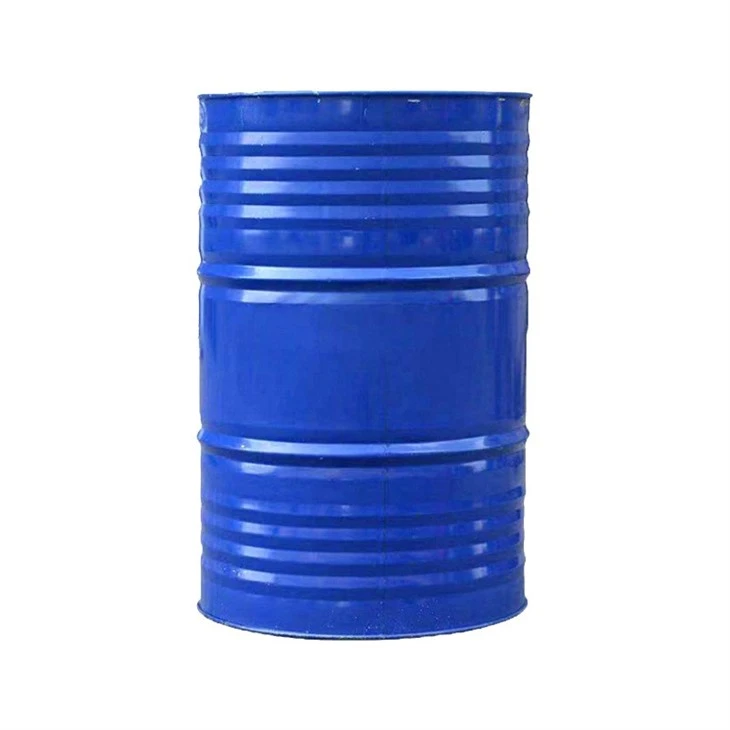
Features of Organic Compounds
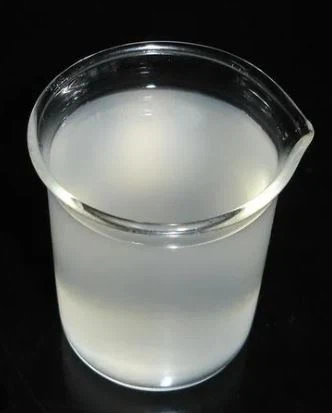
Carbon-based
Common organic compounds are mainly composed of carbon atoms. Their carbon component has the unique ability to form stable covalent bonds with other carbon atoms, which contributes to the stability of organic molecules.
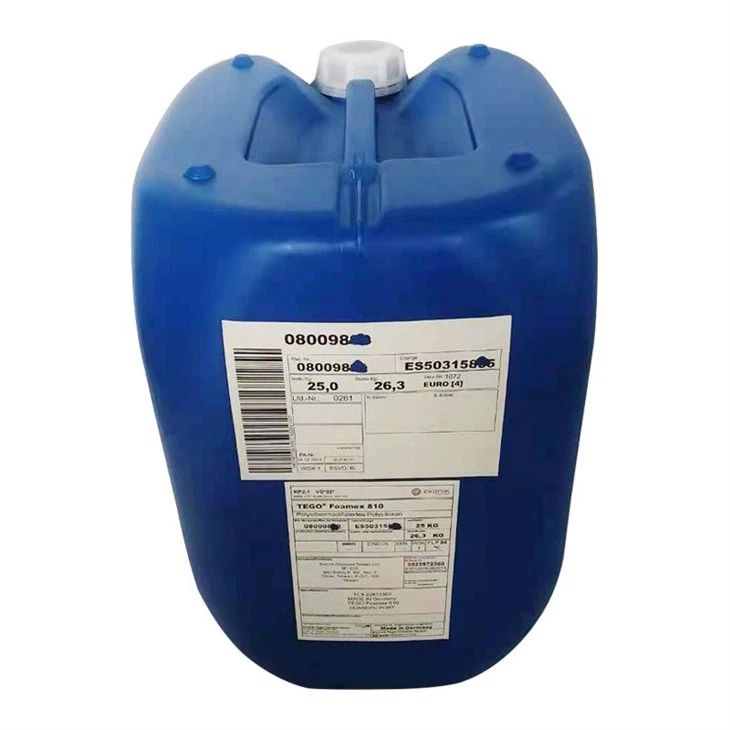
Diverse Structures
These organic compounds can have a variety of molecular structures, including linear, branched, cyclic, and complex three-dimensional arrangements to synthesize a large number of organic compounds.
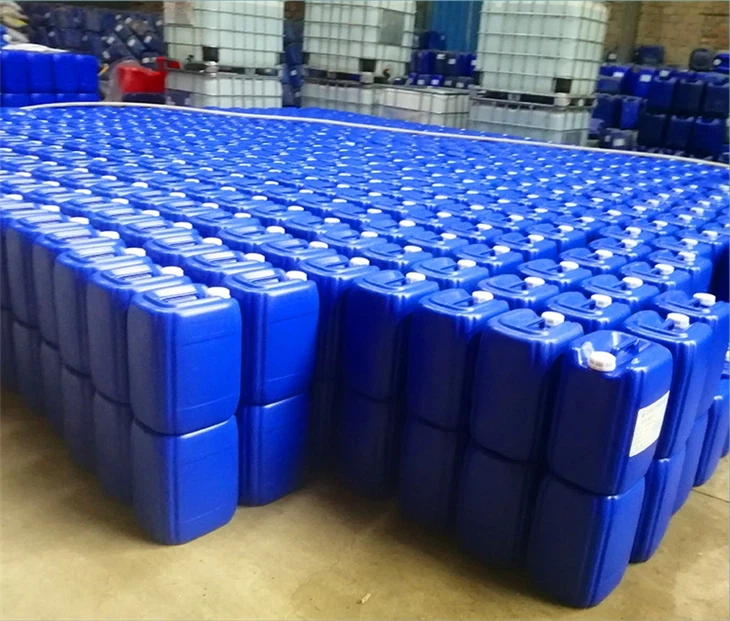
Functional Groups
Organic compounds often contain functional groups, which are specific arrangements of atoms within a molecule that impart unique chemical properties. Examples of functional groups include hydroxyl (-OH), carbonyl (C=O), amino (-NH2), and carboxyl (-COOH).
High Solubility
Many organic compounds are soluble in organic solvents such as ethanol, acetone, and chloroform. However, solubility varies depending on the functional groups and overall molecular structure of the compound.
Types of Organic Compounds
Organic compounds may be classified in a variety of ways. One major distinction is between natural and synthetic compounds. Organic compounds can also be classified or subdivided by the presence of heteroatoms, e.g., organometallic compounds, which feature bonds between carbon and a metal, and organophosphorus compounds, which feature bonds between carbon and a phosphorus. Another distinction, based on the size of organic compounds, distinguishes between small molecules and polymers.
Natural Compounds
Natural compounds refer to those that are produced by plants or animals. Many of these are still extracted from natural sources because they would be more expensive to produce artificially. Examples include most sugars, some alkaloids and terpenoids, certain nutrients such as vitamin B12, and, in general, those natural products with large or stereoisometrically complicated molecules present in reasonable concentrations in living organisms.
Further compounds of prime importance in biochemistry are antigens, carbohydrates, enzymes, hormones, lipids and fatty acids, neurotransmitters, nucleic acids, proteins, peptides and amino acids, lectins, vitamins, and fats and oils.
Synthetic Compounds
Compounds that are prepared by reaction of other compounds are known as "synthetic". They may be either compounds that are already found in plants/animals or those artificial compounds that do not occur naturally. Most polymers (a category that includes all plastics and rubbers) are organic synthetic or semi-synthetic compounds.
Biotechnology
Many organic compounds—two examples are ethanol and insulin—are manufactured industrially using organisms such as bacteria and yeast. Typically, the DNA of an organism is altered to express compounds not ordinarily produced by the organism. Many such biotechnology-engineered compounds did not previously exist in nature.
Examples of Common Organic Compounds
Methane: Black in colour, used in making motor tyres and printing ink, production of light and energy, making methyl alcohol, formaldehyde and chloroform etc.
Ethyl alcohol: It is used for making wine and other alcoholic drinking stuff, tincture, varnish and polish, in the form of solvents, in methylated spirit, in artificial colours in perfumes and scent of fruits, in transparent soaps, in spirit lamps and stoves, in the form of fuel of motor vehicle in cleaning the wound, in the form of insecticide etc.
Glycerol: It is used for making nitro-glycerine, in cleaning the components of watches, in ink of stamp, in shoes polish and cosmetics, in transparent soaps, in pain reliever medicines of any fractured part of the body organs, in sweets, wine and fruits preservation etc.
Ethylene
It is used in fruit ripening and fruits preservation, mustard gas, and in the form of anaesthesia, in oxy-ethylene flame.
Acetylene
In producing light, oxy-ethylene flame, in the form of Marcelin anaesthesia, in making neoprene (artificial rubber), in artificial ripening etc.
Formaldehyde
In making insecticides, in fixation of gelatine film on the photographic plates, in making waterproof cloths by mixing it with eggs exterior whitely part etc.
Acetaldehyde
In making colour medicines, in manufacturing meta acetaldehyde medicine used in sleeping, in the production of plastics.
Chromatographic Separation Procedures
Many separation methods are based on chromatography, that is, separation of the components of a mixture by differences in the way they become distributed (or partitioned) between two different phases. Liquid-solid chromatography originally was developed for the separation of colored substances, hence the name chromatography, which stems from the Greek word chroma meaning color.
Atomic Energy States and Line Spectra
A spectroscopic change related to a change in energy associated with the absorption of a quantum of energy. Spectra are the result of searches for such absorptions over a range of wavelengths. If one determines and plots the degree of absorption by a monoatomic gas, a series of very sharp absorption bands or lines are observed. The lines are sharp because they correspond to specific changes in electronic configuration without complication from other possible energy changes.
Energy States of Molecules
The energy states and spectra of molecules are much more complex than those of isolated atoms. In addition to the energies associated with molecular electronic states, there is kinetic energy associated with vibrational and rotational motions.
Microwave (Rotational) Spectra
ecause electronic and vibrational energy levels are spaced much more widely, and because changes between them, are induced only by higher-energy radiation, microwave absorptions by gaseous substances can be characterized as essentially pure “rotational spectra.” It is possible to obtain rotational moments of inertia from microwave spectra, and from these moments to obtain bond angles and bond distances for simple molecules.
Infrared (Rovibrational) Spectroscopy
Infrared spectroscopy was the province of physicists and physical chemists until about 1940. At that time, the potential of infrared spectroscopy as an analytical tool began to be recognized by organic chemists. The change was due largely to the production of small, quite rugged infrared spectrophotometers and instruments of this kind now are virtually indispensable for chemical analysis.
Raman Spectroscopy
Raman spectroscopy often is a highly useful adjunct to infrared spectroscopy. The experimental arrangement for Raman spectra is quite simple in principle. Monochromatic light, such as from an argon-gas laser, is passed through a sample, and the light scattered at right angles to the incident beam is analyzed by an optical spectrometer.
Electronic Spectra of Organic Molecules
Absorption of light in the ultraviolet and visible regions produces changes in the electronic energies of molecules associated with excitation of an electron from a stable to an unstable orbital. Because the energy required to excite the valence-shell electrons of molecules is comparable to the strengths of chemical bonds, absorption may lead to chemical reactions.
Nuclear Magnetic Resonance Spectroscopy
uclear magnetic resonance (NMR) spectroscopy is extremely useful for identification and analysis of organic compounds. The principle on which this form of spectroscopy is based is simple. The nuclei of many kinds of atoms act like tiny magnets and tend to become aligned in a magnetic field. In NMR spectroscopy, we measure the energy required to change the alignment of magnetic nuclei in a magnetic field.
Mass Spectroscopy
The usual application of mass spectroscopy to organic molecules involves bombardment with a beam of medium-energy electrons in high vacuum, and analysis of the charged particles and fragments so produced. Most mass spectrometers are set up to analyze positively charged fragments, although negative-ion mass spectrometry also is possible.
Key Factors that Influence Acidity of Organic Compounds
Charge
Removal of a proton, H+ , decreases the formal charge on an atom or molecule by one unit. This is, of course, easiest to do when an atom bears a charge of +1 in the first place, and becomes progressively more difficult as the overall charge becomes negative. The acidity trends reflect this:
Note that once a conjugate base (B-) is negative, a second deprotonation will make the dianion (B 2-). While far from impossible, forming the dianion can be difficult due to the buildup of negative charge and the corresponding electronic repulsions that result.
The Role of the Atom
This point causes a lot of confusion due to the presence of two seemingly conflicting trends. Here's the first point: acidity increases as we go across a row in the periodic table. This makes sense, right? It makes sense that HF is more electronegative than H2O, NH3, and CH4 due to the greater electronegativity of fluorine versus oxygen, nitrogen, and carbon. A fluorine bearing a negative charge is a happy fluorine.
But here's the seemingly strange thing. HF itself is not a “strong” acid, at least not in the sense that it ionizes completely in water. HF is a weaker acid than HCl, HBr, and HI. What's going on here? You could make two arguments for why this is. The first reason has to do with the shorter (and stronger) H-F bond as compared to the larger hydrogen halides.
The second has to do with the stability of the conjugate base. The fluoride anion, F(–) is a tiny and vicious little beast, with the smallest ionic radius of any other ion bearing a single negative charge. Its charge is therefore spread over a smaller volume than those of the larger halides, which is energetically unfavorable: for one thing, F(–) begs for solvation, which will lead to a lower entropy term in the ΔG.
Resonance
A huge stabilizing factor for a conjugate base is if the negative charge can be delocalized through resonance. The classic examples are with phenol (C6H5OH) which is about a million times more acidic than water, and with acetic acid (pKa of ~4). Watch out though – it isn't enough for a π system to simply be adjacent to a proton – the electrons of the conjugate base have to be in an orbital which allows for effective overlap.
Inductive Effects
Electronegative atoms can draw negative charge toward themselves, which can lead to considerable stabilization of conjugate bases. Predictably, this effect is going to be related to two major factors: the electronegativity of the element (the more electronegative, the more acidic) and the distance between the electronegative element and the negative charge.
Orbitals
Again, the acidity relates nicely to the stability of the conjugate base. And the stability of the conjugate base depends on how well it can accomodate its newfound pair of electrons. In an effect akin to electronegativity, the more s character in the orbital, the closer the electrons will be to the nucleus, and the lower in energy (= stable! ) they will be. Look at the difference between the pKa of acetylene and alkanes – 25! That's 10 to the power of 25, as in, “100 times bigger than Avogadro's number”. Just to give you an idea of scale. That's the amazing thing about chemistry – the sheer range in the power of different phenomena is awe-inspiring.
Frequently Asked Questions of Organic Compounds
As one of the leading organic compounds suppliers in China, we warmly welcome you to buy bulk organic compounds in stock here from our factory. All chemical products are with high quality and competitive price.
organic compounds for coastal business, Inorganic Industrial Grade Products, thiourea dioxide 25kg